
Vemork — where history was changed
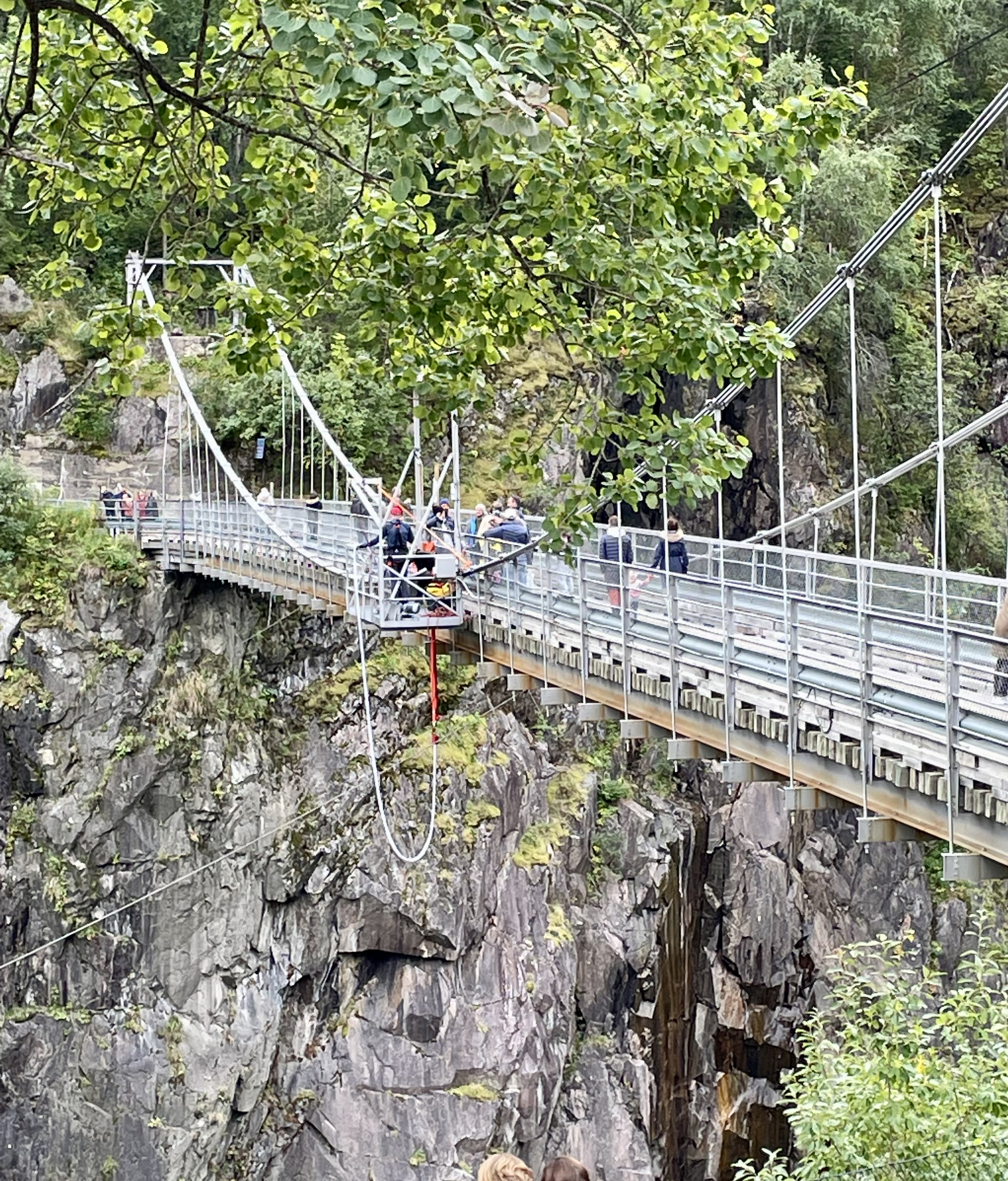
At this power station in Vestfjorddalen, one of World War II's most important acts of sabotage unfolded. Norwegian heroes prevented Hitler from getting the atomic bomb.
Operation Gunnerside — the sabotage that stopped Hitler
In February 1943, nine Norwegian soldiers from the British Special Operations Executive (SOE) carried out what many consider to be the most important sabotage operation of the war: Operation Gunnerside. They skied across Hardangervidda in extreme cold, climbed down the mountainside towards Vemork, snuck into the power station, and blew up the heavy water plant — without losing a single man.
The raid critically delayed German nuclear research. When the Germans attempted to transport the remaining heavy water to Germany, a new sabotage act (the sinking of D/F Hydro on Lake Tinnsjø, February 1944) sent the cargo to the bottom — effectively stopping the German nuclear program.
The story is one of the most dramatic and well-documented resistance actions of the war. It has been told in several books, films, and the award-winning NRK series 'The Heavy Water War'.
- Built
- 1911
- Sabotage raid
- Feb 27–28, 1943
- Soldiers in Gunnerside
- 9 Norwegians
- Museum opened
- 1988
The Heavy Water Cellar — where history actually happened
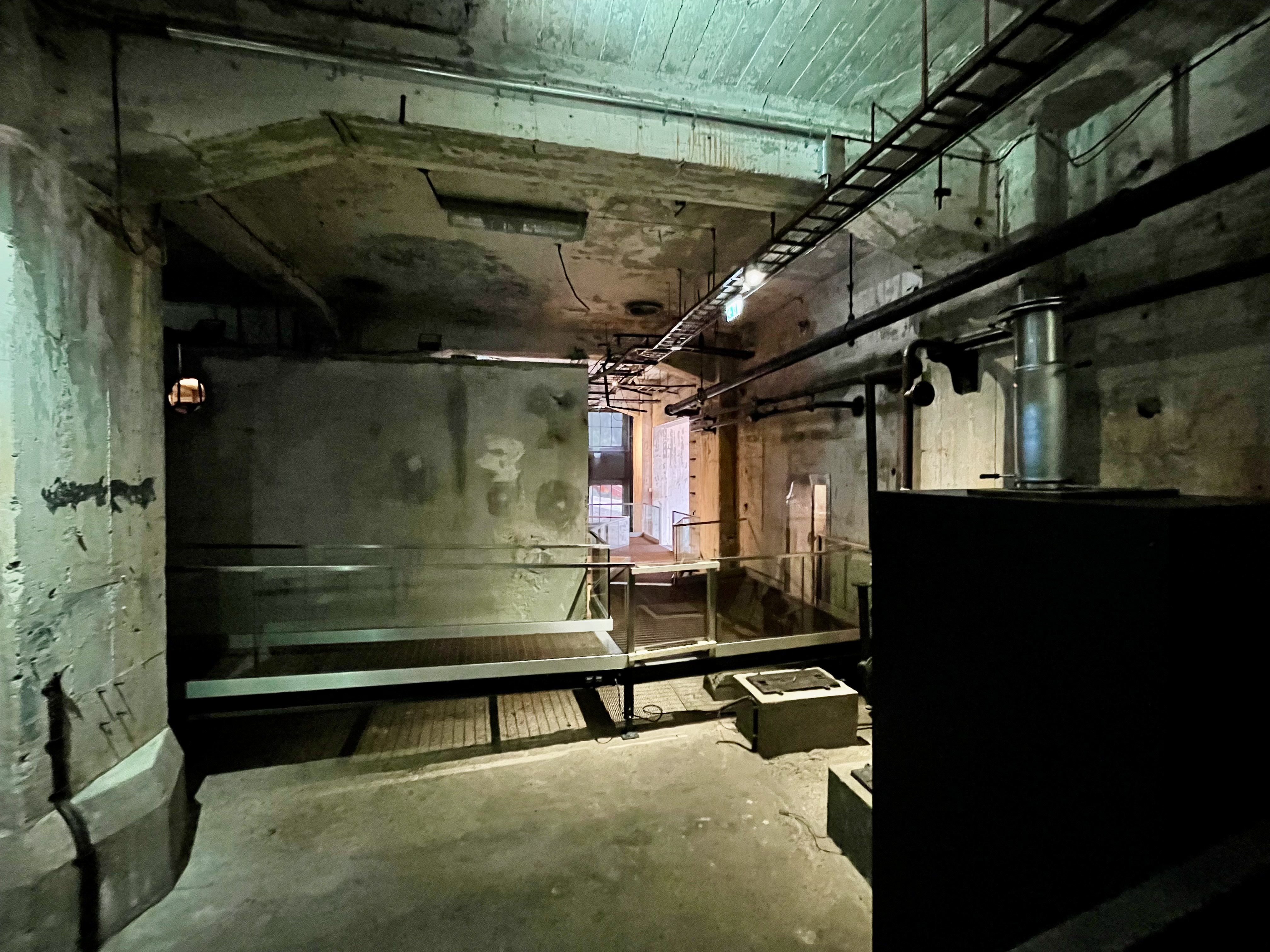
The most famous room at Vemork — and perhaps in all of Norwegian war history — is not visible from the outside. Deep inside the power station's concrete cellar, you can stand today on the exact spot where the nine saboteurs from Operation Gunnerside placed the explosive charges against the heavy water cells on the night of February 28, 1943.
For years, the high-concentration plant here was the only one in the world that could produce heavy water on an industrial scale. Eighteen electrolysis assemblies stood in long rows along the cellar walls — each a key component in what Hitler's nuclear scientists needed to build a bomb. When Knut Haukelid and the rest of the group shattered the cells with British plastic explosives, months of German research vanished in seconds.
After the war, the production facility itself was demolished, but the cellar was preserved. In 2017, the Norwegian Industrial Workers Museum opened the newly restored Heavy Water Cellar to the public after extensive work to recreate the room as it looked on that night in 1943. Markings on the floor show where each electrolysis cell stood, and an immersive light and sound installation lets you experience the sabotage raid minute by minute — from the first explosion to the retreat into the winter night.
It is this underground experience that has made Vemork an internationally recognized war memorial. In few places in Europe can you stand so close to the point where history took a different turn.
- Heavy Water Cellar opened
- 2017
- Electrolysis cells in 1943
- 18 pcs
- Sabotage charges placed
- 9 pcs
- Heavy Water destroyed
- ~500 kg
Norwegian Industrial Workers Museum
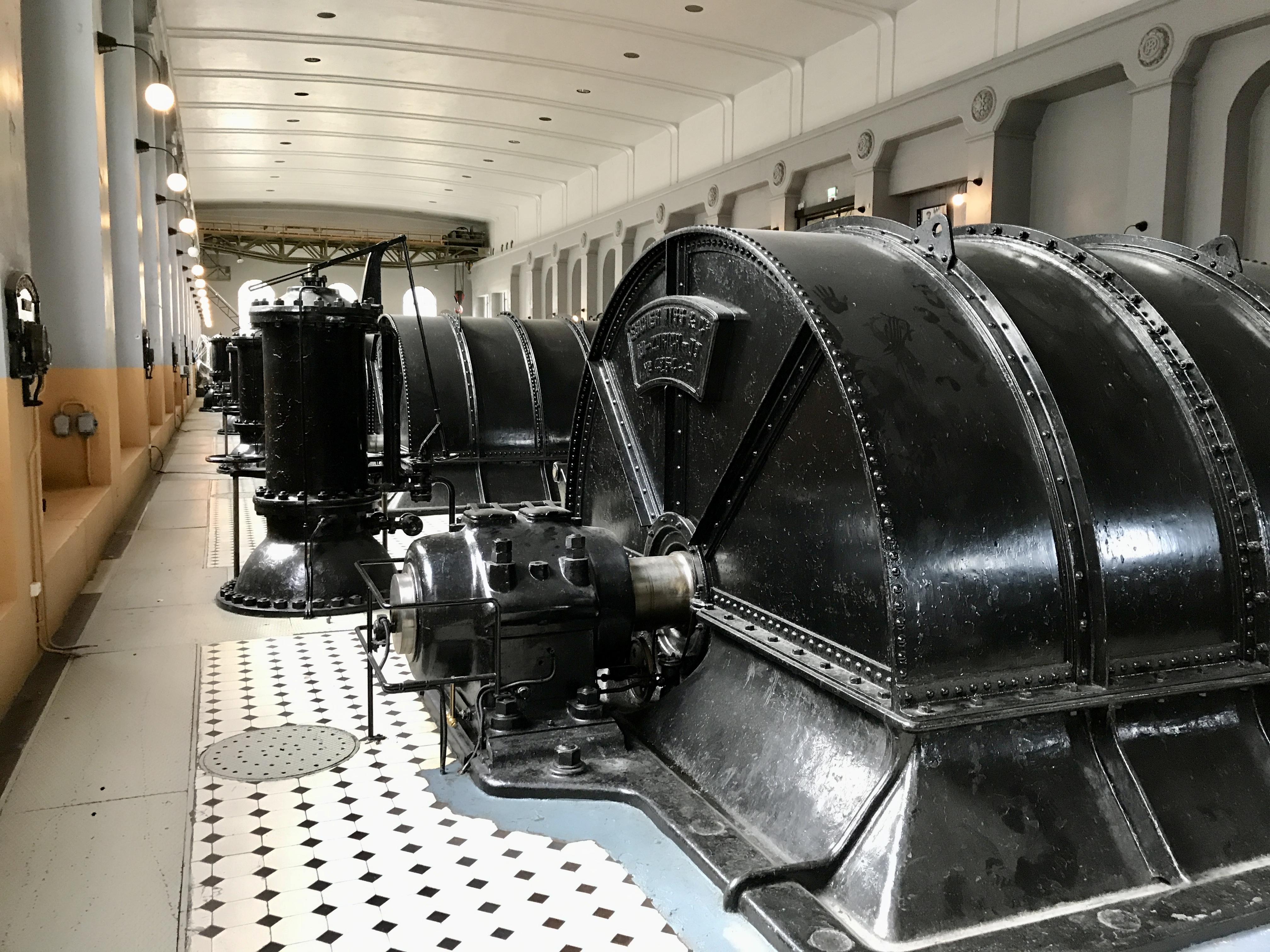
Today, the Norwegian Industrial Workers Museum operates within the power station building itself — from the monumental turbine hall at the top to the heavy water cellar at the bottom. The museum combines industrial history (Norsk Hydro's pioneering production of artificial fertilizer) with war history (the heavy water sabotage and the resistance movement) into one coherent narrative.
The museum is rated as one of Norway's best and is a mandatory stop for anyone visiting Rjukan. Set aside 2–3 hours for a thorough visit — and don't miss the guided tour down into the heavy water cellar.
Galleri
Kombiner med
Vemork visit in detail
Practical info: opening hours, tickets, and tour arrangements.
Les merWar History Guide
Complete overview of war history sites in Telemark.
Les merRjukan
The UNESCO town that serves as a base for visiting Vemork.
Les merKrossobanen
The cable car at Rjukan with a view of the Vemork facility.
Les merOfte stilte spørsmål
War history for your class
Vemork is the main stop on our war history school trips — we arrange guided tours and expert guides.